
 (501) 224-1044
A few days after surgery, you catch your reflection and barely recognize the swollen, bruised face looking back. The bandages feel snug, your cheeks are puffy, and a quiet worry creeps in. When will I look like myself again? It’s a normal thought, and almost everyone who has had a facelift has had it.
Facelifts are more in demand than ever. According to ISAPS, surgeons performed 737,028 facelift procedures worldwide in 2024, which means hundreds of thousands of people walk this same recovery road every year. You’re far from alone in wondering what the days and weeks ahead actually hold.
At Dr. Suzanne Yee Cosmetic & Laser Surgery Center in Little Rock, recovery is treated as part of the result, not an afterthought. That focus is part of why people choose plastic surgeons in Little Rock. This article walks you through facelift recovery week by week, from the first groggy hours through the months it takes for your final result to settle. You’ll learn what’s normal at each stage, how mini and deep plane recoveries differ, and simple things that make healing smoother.
Key takeaways
- The first few days bring mild swelling, bruising, and tightness that gradually improve over the next two weeks, with most patients returning to work and normal activities within 10 to 14 days.
- Strenuous exercise stays off the table for at least four to six weeks, which is also when early improvements in your facial contour typically start to show.
- Your final result usually takes shape around the six-month mark, and tissues can keep settling for a year or more.
- Numbness, tightness, and an emotional dip in the first couple of weeks are all normal parts of healing, not signs that something is wrong.
- A mini facelift generally involves a shorter, more comfortable recovery than a deep plane facelift, which is more extensive and asks for more downtime.
- Preparation matters: arranging help at home, planning your recovery space, and following your personalized aftercare instructions make the whole process easier.
What happens during the first week after a facelift?

The first week is the most hands-on stretch of your facelift recovery, and it’s also the one patients worry about most. Here’s the reassuring part. Most of what feels dramatic in these early days is your body doing exactly what it’s supposed to do.
The first 24 to 48 hours
Right after surgery, you’ll feel groggy and a little unsteady as the general anesthesia wears off. At Dr. Yee’s practice, general anesthesia is administered by a Certified Registered Nurse Anesthetist (CRNA) as part of her experienced surgical team, so you’re comfortable and won’t feel anything during the procedure. Most facelifts are done on an outpatient basis, which means you head home the same day to rest.
Plan to take it easy and lean on whoever is staying with you. You’ll likely feel tired, and that’s a sign to sleep, hydrate, and let the hardest part pass.
Swelling, bruising, and bandages
It’s common to notice mild swelling, bruising, and tightness in the first few days, and these effects gradually ease over the next two weeks. A soft dressing or bandage is placed around your face to support the tissues and limit swelling while you heal.
When your dressings come off, when any sutures are removed, and when you return for your first check, all of that follows the personalized aftercare instructions your surgeon gives you. Those instructions are specific to your procedure, so they’re your best guide rather than anything you read online.
Sleep, comfort, and headaches
Keeping your head elevated helps minimize swelling and supports healing, so you’ll be resting more upright than usual for a while. It feels odd at first, but it genuinely makes a difference in how puffy you look each morning.
Headaches are a common, normal part of facial surgery recovery, and they’re something your surgeon should talk through with you beforehand. If discomfort or a headache shows up, manage it using the medications and guidance from your post-op plan, and call the office with any questions rather than guessing. Pretty manageable once you know it’s expected, right?
Once the first week is behind you, the pace of recovery shifts. The next stretch is less about rest and more about easing back into life.
What should you expect during weeks two and three?
By weeks two and three, the worst of the swelling and bruising is behind you, and you start to feel more like a person again. The early heaviness lifts, and small wins, like a calmer reflection in the mirror, start adding up.
Most patients feel comfortable returning to work and normal activities within 10 to 14 days. Desk work and gentle daily routines usually feel realistic in this window, especially once visible bruising has faded enough to feel comfortable in public. If your job is physically demanding, you’ll need more time before going back.
You may wonder when you can cover lingering bruising with makeup or finally wash your hair properly. The honest answer is that it depends on how your incisions are sealing, so let your surgeon’s clearance be your green light rather than a date you saw in a forum. Once you’re cleared, those small routines feel like a real return to normal.
Here’s something fewer people warn you about. Around this stage, it’s common to feel emotionally low, impatient, or even regretful, and that doesn’t mean you made the wrong choice. Healing is slow and unglamorous, and the in-between phase tests everyone’s patience. Feeling this way is a normal part of the process, and it almost always lifts as you start to see your results.
That tight, snug sensation around your neck and jaw, sometimes described as a turtleneck feeling, is also normal. It’s the tissues healing and settling into their new position, and it eases with time. If you’re wondering whether what you’re feeling is on track, reach out to our team for reassurance, because that’s exactly what they’re there for.
With the social hurdles mostly cleared, the next phase is about rebuilding your stamina and watching your new contours emerge.
What does recovery look like from weeks four through six?
Weeks four through six are when life starts feeling normal again, and when you begin to glimpse what you signed up for. The frustration of slowing down fades, and most patients tell us the payoff finally feels within reach.
You’ll still need to avoid strenuous exercise for at least four to six weeks. That means holding off on heavy lifting, intense cardio, and anything that spikes your blood pressure until your surgeon clears you. Gentle movement and walking are usually fine earlier, but let your post-op plan set the pace for ramping back up.
This is also the stage where early improvements in your facial contour typically become visible, usually around four to six weeks. As swelling continues to fade, your jawline and neckline look more refined, and people around you start noticing you look refreshed rather than recovering. If you’re curious which procedure best restores a sagging jawline, our guide to surgical options for jowls and the jawline breaks down the choices. Many patients find this is the moment the whole experience starts to feel worth it.
Karla, who was six weeks out from her lower facelift, shared her experience:
“I am 6 wks out of my lower facelift with Dr Yee. My results are so natural and took years off my appearance. This can be a scary experience, but Dr Yee and her staff put me at ease before and after the procedure. I will definitely be using Dr Yee for any future procedures, and highly recommend her and her staff.”
Lingering questions are common here too, like when you can stop sleeping elevated or how to care for your healing incisions. Those answers are part of your personalized instructions, so follow your surgeon’s guidance and skip any home remedies you weren’t specifically told to use. Knowing the contours you’re seeing now will keep refining takes some of the pressure off the calendar.
When will you see your final facelift results?

Patience is the theme of this final stretch, and it’s worth it. Once initial swelling and bruising subside, you’ll notice a smoother, firmer, more youthful appearance, but the complete picture takes time to arrive.
A good idea of your final result usually emerges around the six-month mark, and it can take a year or more for everything to fully settle and develop. Tissues relax, residual puffiness resolves, and your contours soften into their natural shape. Trusting that timeline is hard when you want to see everything now, but the wait rewards you with results that look like you, only refreshed.
Sensation takes its own path back. Some numbness or odd tingling around your ears, cheeks, and jawline is completely normal and expected, as the nerves gradually settle, a process surgeons sometimes call creeping reinnervation. Those little zings or prickles you feel are usually a reassuring sign that things are reconnecting. If anything concerns you, your surgeon can tell you what’s typical for your healing.
Dr. Yee uses Endotine(R) anchors during many facelift procedures to hold the lifted tissue in its new position. These are small absorbable anchors made of lactic acid that begin to dissolve at approximately two months and are completely dissolved by one year, so nothing has to be removed later. It’s one of the quiet details, backed by more than two decades of cosmetic surgery experience, that supports a natural, long-lasting result.
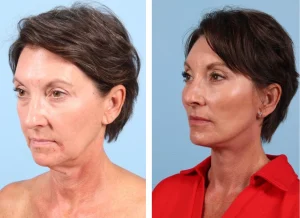
Focused on restoring a youthful facial appearance, a facelift sharpens your jawline, softens deep creases, and tightens sagging skin without changing your unique character. You’ll continue to age naturally, but you’ll stay well ahead of where you’d be without the procedure. Want to see how those results hold up in real faces? You can browse real patient before-and-after photos to set expectations grounded in actual outcomes.
That natural, lasting quality is exactly why technique matters so much, and why recovery isn’t one-size-fits-all.
How does recovery differ between a mini and a deep plane facelift?
Not all facelifts ask the same thing of your recovery, and understanding the difference helps you set realistic expectations. The right approach depends on your anatomy and goals, and a thoughtful evaluation with a board-certified surgeon is the only way to know which fits you.
A mini facelift, an outpatient facial contouring surgery, uses smaller incisions placed near the ears and targets the lower face and early jowling. Because it’s less invasive than a full facelift, recovery is generally shorter and more comfortable, and many patients ease back into daily life relatively quickly. It’s often a good fit when sagging is mild and your skin still has good elasticity.
A deep plane facelift is a more extensive technique that releases and repositions deeper layers of facial tissue. That deeper work tends to mean more initial swelling and bruising and a longer stretch of downtime than a mini facelift. The trade-off is a powerful, natural-looking lift, and patient satisfaction with the deep plane approach is high.
Here’s a simple way to think about how the two compare.
| Factor | Mini facelift | Deep plane facelift |
|---|---|---|
| Area addressed | Lower face, early jowling | Mid and lower face, deeper tissues |
| Invasiveness | Less invasive, smaller incisions | More extensive, deeper repositioning |
| Typical recovery | Shorter, more comfortable | Longer, more downtime |
| Swelling and bruising | Generally lighter | Generally more pronounced early on |
As for how long results last, neither approach stops the clock. Both keep you ahead of where natural aging would take you, and a deeper lift generally holds its refinement for longer. Combining a facelift with another procedure, such as facial rejuvenation below the jawline or a brow lift, can also lengthen your recovery somewhat, since more areas are healing at once.
Choosing a technique is a big decision, and feeling unsure about the options is completely normal. The good news is that the right plan is something you decide together with your surgeon, not alone.
What can you do to make facelift recovery easier?
A smoother recovery starts before surgery day, and a little planning goes a long way. The first few days are easier when your home is ready and your support is lined up, so you can focus on resting instead of scrambling.
Setting up a comfortable recovery space helps more than people expect. A few simple steps make a real difference:
- Arrange a cozy spot where you can rest with your head elevated.
- Stock easy meals, water, and anything you’ll want within arm’s reach.
- Clear tripping hazards like loose rugs and stray cords.
- Fill any prescriptions and gather your supplies ahead of time.
If you smoke, this is also the time to step away from that habit, ideally six weeks before and after surgery, since smoking slows healing. How long to wear any compression garment, or when to resume specific activities, comes down to your surgeon’s personalized instructions. Follow those rather than a generic rule, since the right plan depends on your procedure.
You’ll also want real support at home. Dr. Suzanne Yee Cosmetic & Laser Surgery Center asks that you arrange for someone to drive you to and from the Little Rock surgery center. The practice also recommends having family or a friend stay with you for the first stretch of recovery.
If you’d rather have professional help, the team can arrange for a staff member to stay and care for you after your procedure. For patients traveling from Conway or farther, the office works with local hotels to make follow-up visits easier.
Jamie, who described the full arc from first visit through healing, shared this:
“Dr. Yee and her staff provided exceptional care, from my initial consultation, through the surgery process, recovery, and follow-up appointments. From the moment I walked in, your Surgery center has had such a welcoming and positive vibe. Your staff made me feel comfortable and at ease.”
That kind of care continues long after surgery day. Follow-up visits are unhurried, the team checks in proactively between appointments instead of waiting for you to call, and your healing is reviewed personally at every step.
Cost shouldn’t be the barrier either. The office offers flexible financing through Cherry, Alphaeon Credit, CareCredit, PatientFi, and Alle, so you can choose a plan that fits your budget.
Conclusion
You came here looking at a swollen, bruised reflection and wondering when you’d recognize yourself again. Now you know the answer unfolds in stages, that the hard early days give way to steady improvement, and that the version of you waiting at the six-month mark is worth the patience.
Seeing real patient photos that match your starting point is one of the most grounding next steps. And when you’re ready, a personal consultation fills in the details that photos can’t show. Both help you picture not just the result, but the road to it.
At Dr. Suzanne Yee’s Little Rock practice, the belief is simple: every patient deserves to feel heard, respected, and confident in their choice, with results that enhance rather than transform. When you’re ready to take that step, request your personal consultation or call (501) 289-5460.
Frequently asked questions
How many days off work do you need after a facelift?
Most patients feel comfortable returning to work and normal activities within 10 to 14 days, especially for desk-based jobs. If your work is physically demanding, you’ll likely need more time before going back. Your surgeon will give you a timeline based on your specific procedure.
When can you drive after a facelift?
You shouldn’t drive while taking prescription pain medication or while swelling and discomfort limit your range of motion. Most patients wait until they’re off those medications and feel alert and comfortable turning their head. Your surgeon will let you know when it’s safe based on your healing.
When do facelift stitches come out?
The timing for removing sutures depends on your procedure and how your incisions are healing. Your surgeon will schedule this as part of your personalized aftercare plan and will tell you exactly when to return. Following that schedule closely supports the cleanest possible healing.
How long does numbness last after a facelift?
Some numbness and tingling around the ears, cheeks, and jawline is completely normal as the nerves gradually settle. This recovery of sensation happens slowly and varies from person to person. Your surgeon can tell you what’s typical for your healing during your follow-up visits.
How long do you need to sleep with your head elevated after a facelift?
Keeping your head elevated in the early phase helps minimize swelling and supports healing. How long to continue depends on your procedure and how you’re recovering. Your surgeon’s personalized instructions will tell you when you can return to your normal sleep position.
What is the hardest part of facelift recovery?
For many patients, the hardest part isn’t physical, it’s the patience the early weeks require. Swelling, tightness, and an emotional dip can make the in-between phase feel long. Knowing it’s temporary, and that steady improvement is coming, makes it much easier to ride out.
How long do you need to wear compression garments after a facelift?
This depends on your specific procedure and your surgeon’s protocol. Rather than following a generic rule, wear any compression exactly as directed in your personalized aftercare instructions. Your surgical team should walk you through every step of your post-op care so nothing is left to guesswork.
*Disclaimer: This content is for educational purposes only and does not constitute medical advice. A consultation with a qualified board-certified surgeon is required to determine the best treatment plan for your individual needs.



 Instagram
 Facebook
 Tiktok
 Youtube
 X
X LinkedIn