Instagram
 Facebook
 Tiktok
 Youtube
 X
X LinkedIn
 (501) 224-1044

Otoplasty · LITTLE ROCK, AR
Ear Surgery
Oversized or misshapen ears are a common source of insecurity for children and adults alike. Otoplasty reshapes the ear through incisions tucked behind it, correcting ears that protrude, sit unevenly, or read as too large. Dr. Suzanne Yee most commonly performs it from age five onward, though it works just as well for adults who have waited a long time to address it.
1–2 hrs
Outpatient procedure, home same day
~1 wk
Back to work or school
~6 wks
Final position once healing completes
What ear surgery can correct
Ear surgery reshapes the ear through discreetly placed incisions behind the ear and in the ear folds. Dr. Yee exposes the cartilage, sculpts it to the shape you want, repositions the ear if needed, and removes any excess skin. There are very few side effects, and many patients describe the result as life-changing.
PROJECTION
Ears that protrude
The most common reason patients come in. Reshaping the cartilage brings the ear closer to the head so it stops drawing attention.
SHAPE
Misshapen ears
Whether present from birth or the result of an injury, an irregularly shaped ear can be sculpted back toward a natural contour.
SIZE
Abnormally large ears
Ears that are out of proportion with the rest of the face can be reduced and repositioned to bring the features into balance.
Ear surgery and earlobe repair
Dr. Yee treats two related but separate concerns: the shape and position of the ear itself, and damage to the earlobe. Both are outpatient procedures performed under local anesthesia.
Otoplasty (ear reshaping)
Cartilage is exposed through incisions behind the ear and in the ear folds, sculpted to shape, and the ear repositioned. Protective bandages then help the ears heal in place.
- Best for: protruding or oversized ears
- Scar: hidden behind ear
- Anesthesia: local with a sedative
Earlobe repair
Heavy or dangling earrings stretch the lobe and widen the piercing over time, and can split the lobe entirely. Dr. Yee trims the skin lining the tear, removes excess tissue, and sutures the lobe back together.
- Best for: stretched or split lobes
- Scar: minimal
- Sutures out: 1 to 2 weeks
Gauge repair
Gauges stretch the lobe deliberately, and once they come out the lobe often will not return to its natural size. Many young adults seek repair when they feel they have outgrown the modification.
- Best for: reversing gauge stretching
- Scar: minimal
- Full healing: up to a few months
Is ear surgery right for you or your child?
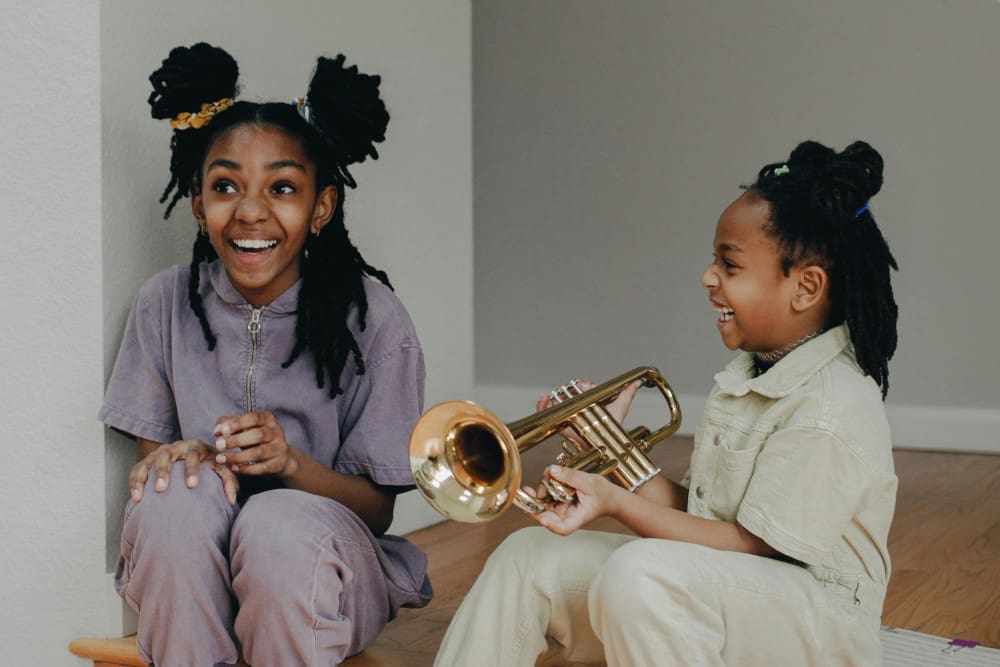
Otoplasty is most commonly performed from age five and up, once the ears have finished most of their growth, and it is equally appropriate for adults. It is perhaps best known as a proactive step to spare a child from teasing.
But there are plenty of other reasons to consider it; correcting a defect or an injury, or simply changing the image you want to project. Dr. Yee will talk through whether the timing and the goal make sense.
What patients typically gain
Not every concern needs surgery. For mild changes, our med spa offers non-surgical treatments that refresh the eye area, and Dr. Yee will tell you honestly which option fits.
- Improved proportion of facial features
- Increased self-confidence
- Minimal downtime
- Little to no visible scarring
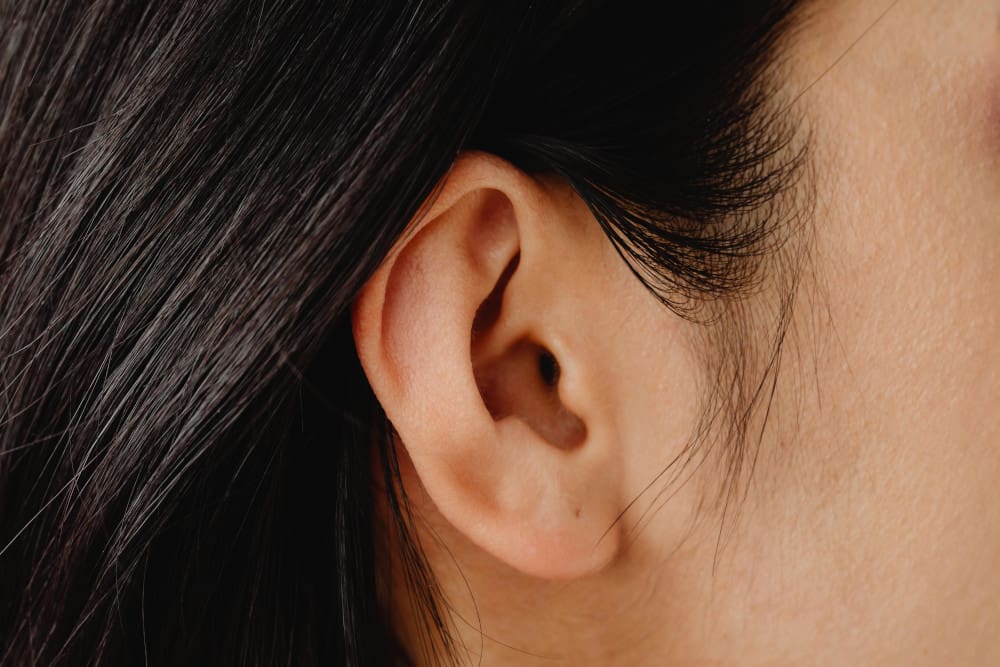
What to expect on procedure day
Adults are given a local anesthetic and a mild sedative; children are given a stronger sedative. Dr. Yee makes discreet incisions behind the ear and in the ear folds, exposes the cartilage, and sculpts it to the shape agreed at your consultation. The ear is repositioned if needed and any excess skin removed. She closes with sutures and applies protective bandages that help the ears heal in place over the following weeks.
- Stop smoking at least six weeks before and after surgery. It restricts blood flow and interferes with healing.
- Stop blood thinners two weeks out; aspirin, ibuprofen, vitamin E, and fish oil all increase bleeding and bruising.
- Skip alcohol for two weeks beforehand. It thins the blood and impairs healing.
- Do not eat or drink for at least six hours before surgery, apart from small sips of water with approved medication.
- Arrange a driver and someone to stay with you for the first 24 hours.
Recovery and results
Recovery from ear surgery is straightforward, and the page-level promise is minimal downtime with little to no visible scarring.
TIMELINE - EARLOBE REPAIR
- IMMEDIATELY AFTER
Protective bandages are applied to hold the ears in their new position while they heal. - FIRST WEEKS
The bandages support the ears as the cartilage settles into place. - Week 1-2
Adults can expect to go back to work within the first week; children typically can return to school about one week after surgery. - WEEK 2-4
Patients can resume light activities. - WEEK 5-6
Activities such as workouts and sports can be resumed.
Why choose a board-certified surgeon
The surgeon you choose is the single biggest factor in a natural, balanced result. Dr. Yee’s triple board certification, extensive surgical experience, and conservative approach to anesthesia all work together to protect your outcome and keep any risk as low as possible.
Otoplasty is a well-established, low-risk procedure for both children and adults. As with any surgery, uncommon complications are possible, and Dr. Yee reviews your specific risks with you at consultation so you can decide with full, honest information.
WHAT SETS DR. YEE APART
- Triple board-certified cosmetic surgeon
- Specialized training in delicate ear and cartilage anatomy
- Conservative, safety-first approach to anesthesia
- Experience treating both children and adults in Little Rock

WHY CHOOSE DR. YEE
Dr. Suzanne Yee, MD, FACS
- Triple Board-Certified Cosmetic Surgeon
- ★★★★★
- 4.8 · 387 Google reviews
Dr. Suzanne Yee is a triple board-certified cosmetic surgeon in Little Rock, AR, known for personalized care and natural-looking results.
BOARD CERTIFICATIONS & AFFILIATIONS

CONTACT US
Schedule your ear surgery consultation
Whether you are considering otoplasty for yourself or for your child, Dr. Yee will examine the ears, talk through what the procedure can realistically change, and answer every question you bring.
Frequently asked questions
Otoplasty is most commonly performed on patients five years and older, once the ears have done most of their growing.
No. The procedure is appropriate for older patients as well, and plenty of adults have it after years of being bothered by it.
Adults are given general anesthesia only.
The incisions are placed discreetly behind the ears and in the ear folds. Patients typically have little to no visible scarring.
Cosmetic ear surgery has few risks in experienced hands. Potential ones include bleeding, infection, slow healing, and changes in skin sensation. With earlobe repair, a notch can be left at the bottom edge of the lobe if the surgeon lacks the skill to avoid it.
Dr. Yee trims the skin lining the tear or widened piercing, removes excess tissue, and sutures the lobe back together. It is an outpatient procedure under local anesthesia. Sutures come out after one to two weeks, and full healing takes up to a few months.
Yes. Once a gauge is removed the lobe often will not return to its natural shape and size on its own, and many young adults seek repair when they feel they have outgrown the modification.